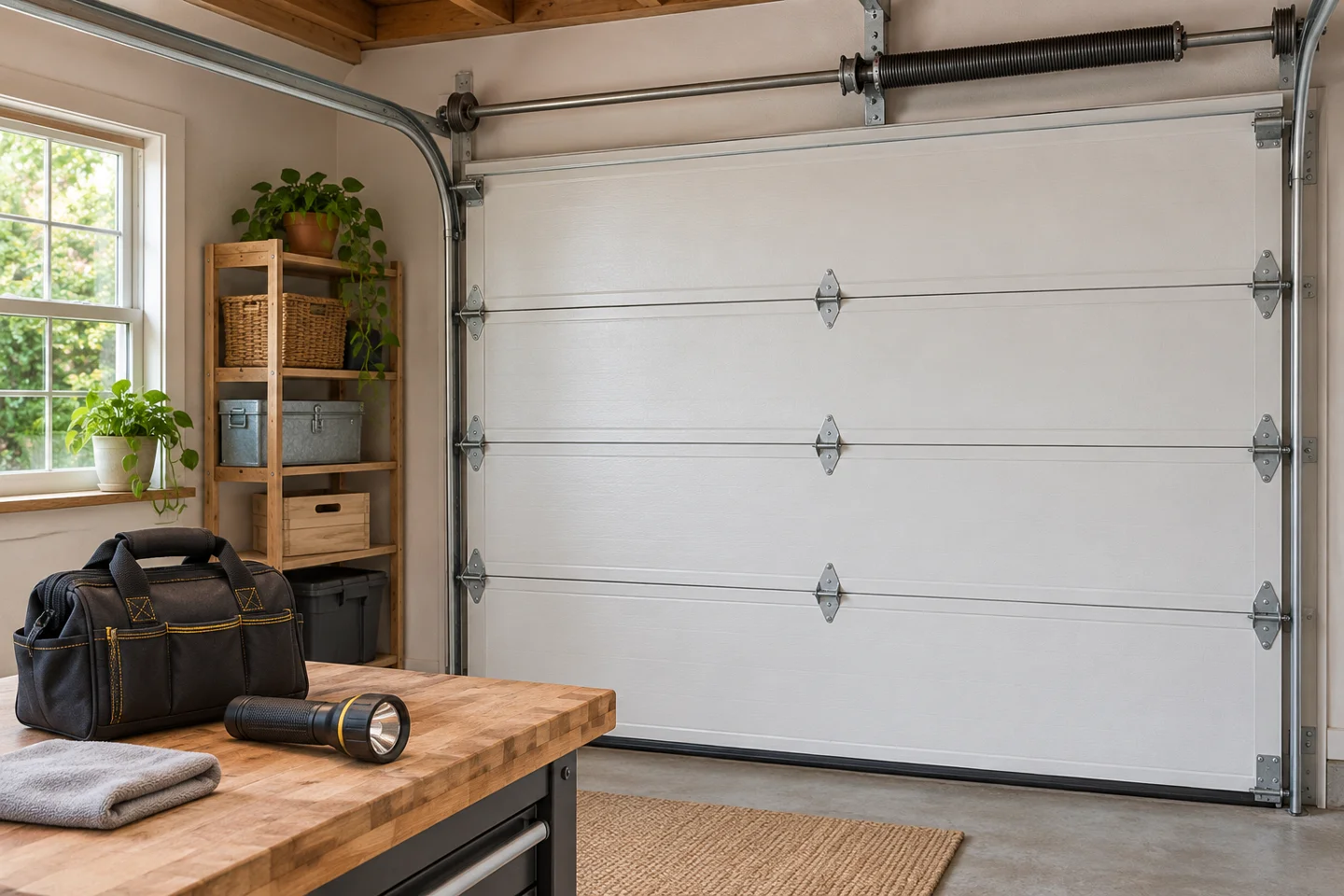
Start with what changed
A bang from the garage, an uneven lift or a door that suddenly feels very different can point to trouble in the lifting system. Stop operating a door that is crooked, cable-damaged or unstable. Call to describe its position and what changed; you do not need to identify the spring or touch loaded hardware before asking for help.
Look at the complete system
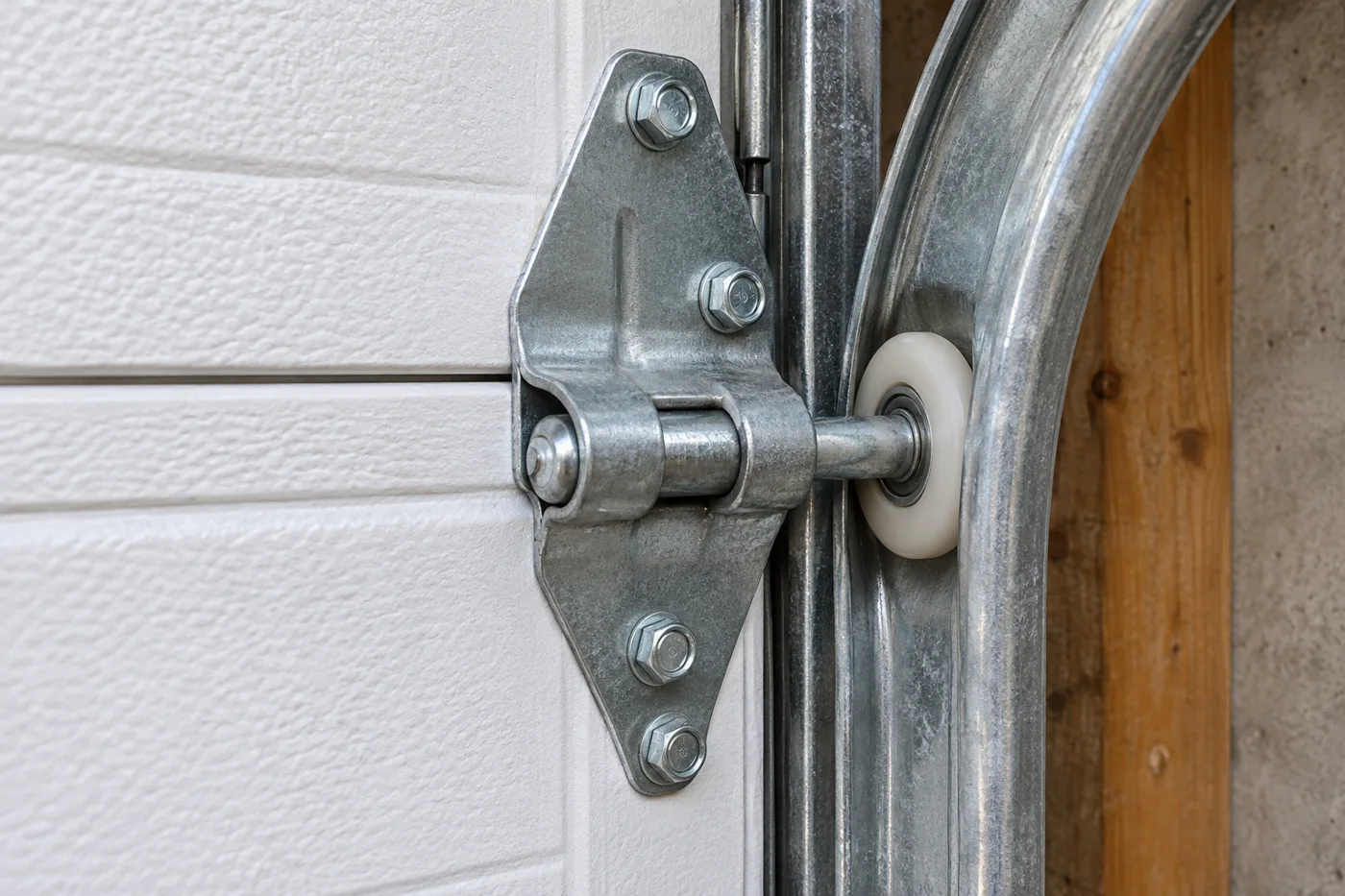
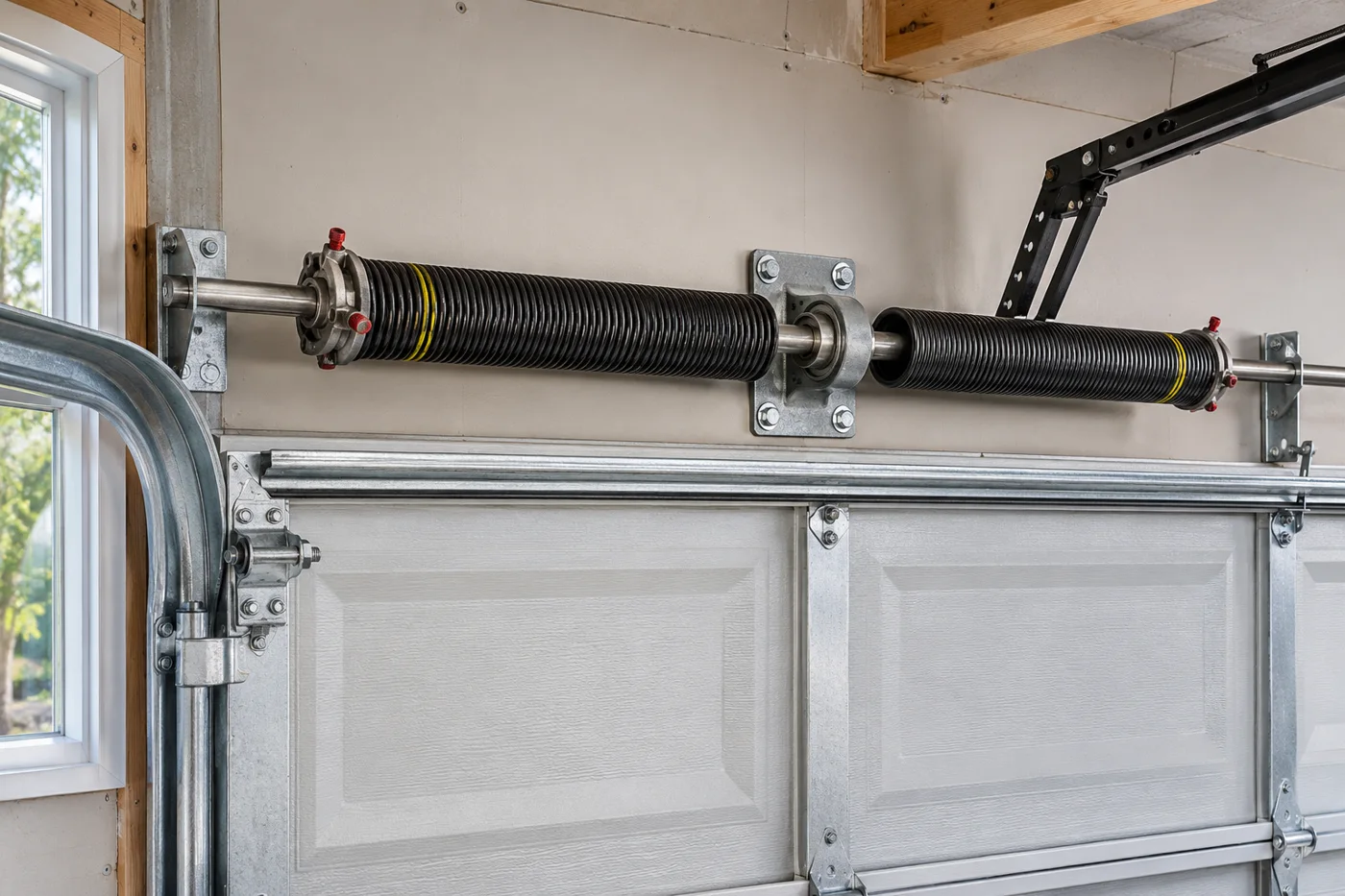
Springs support the door through a system of cables, drums and attachments. The opener is not a substitute for that support. A correct assessment considers the door that is actually installed, the type of lifting arrangement and the condition of neighboring components. A visible spring break may explain one symptom without defining every part of the repair.
Useful observations before calling
Explain whether the door is fully closed, partly raised or stuck open. Mention a loud bang, a cable that looks loose or a door that rises unevenly. Keep a vehicle in place if moving it would mean passing beneath an unstable assembly. Do not adjust bottom brackets, cables or springs, and do not disconnect a raised or compromised door from its opener.
What to discuss in the service scope
Ask what has been diagnosed, which components the proposed repair includes and how compatibility with the door is established. For an assembly with more than one spring, discuss the condition of the complete system. The conversation should also cover the operator, the remaining lifting hardware and the checks included before normal use resumes.
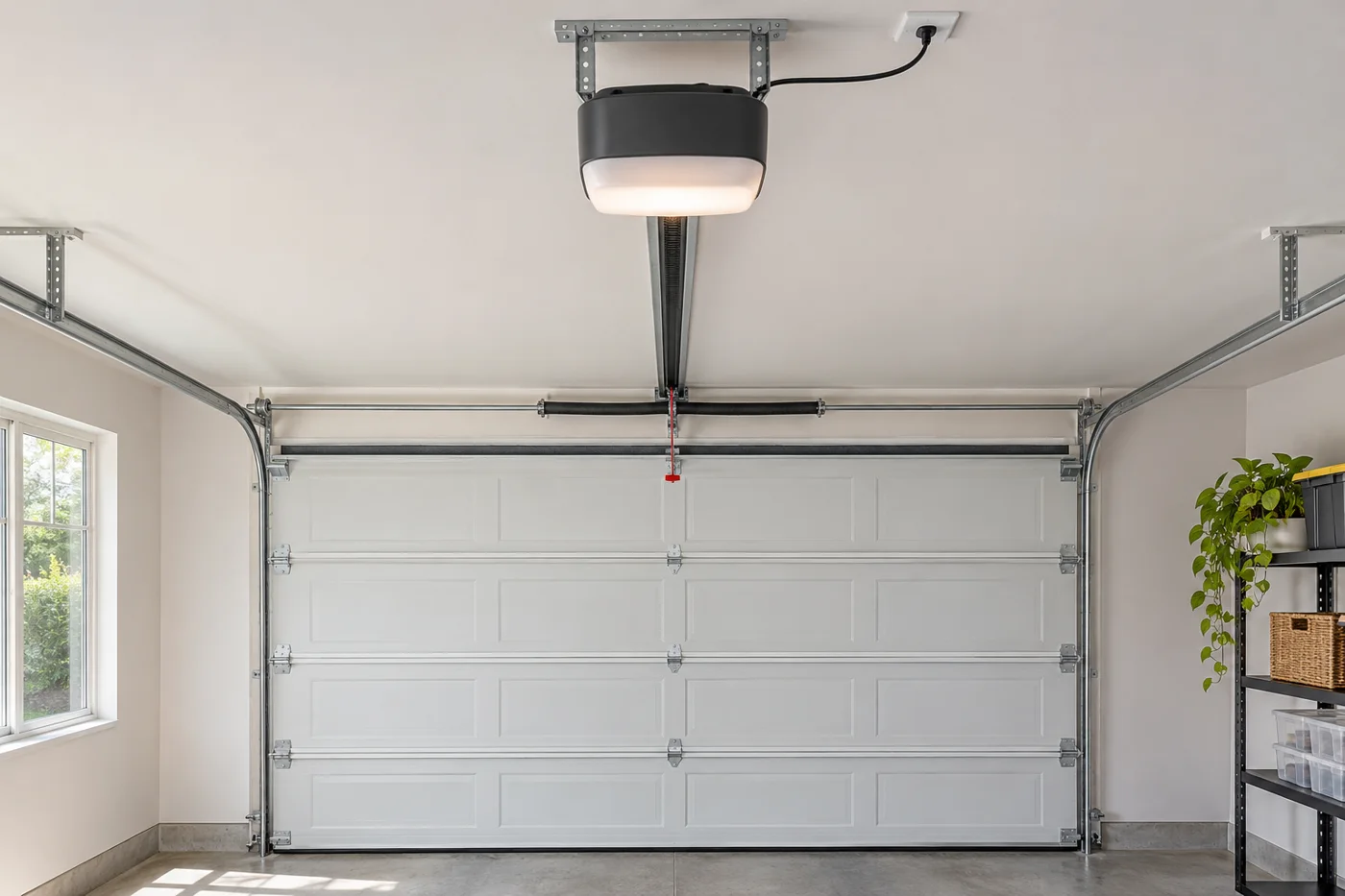
The property matters too
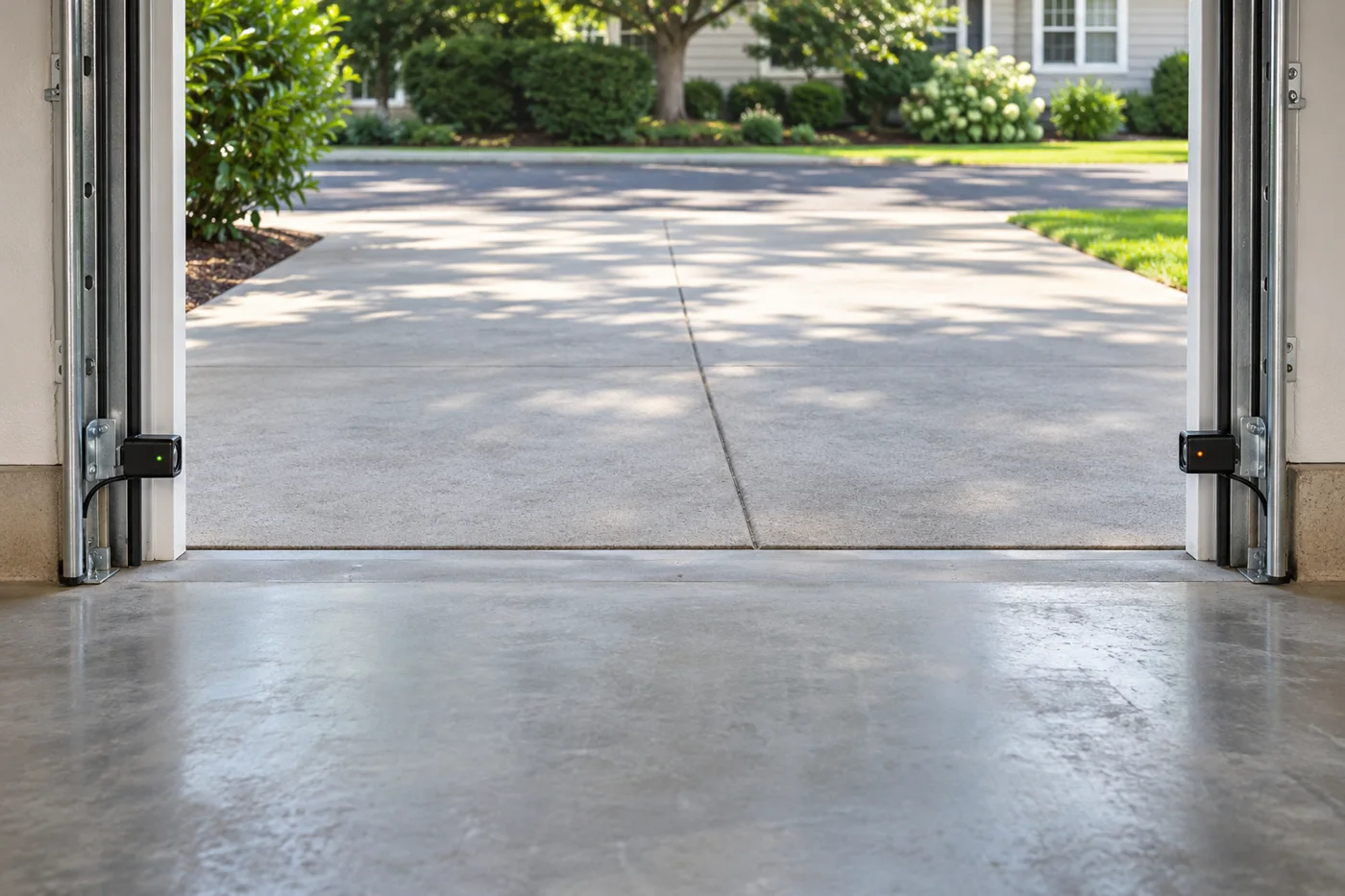
Mention whether the garage is detached, opens to an alley or is reached by a short driveway. Shared access, overhead storage and a low roof line can affect how an inspection or new-door plan is approached. Wet leaves, slush near the threshold and changing temperatures can make a small door issue more noticeable. Look from a safe distance for debris or an obvious gap; do not force a door that appears frozen to the floor or use the opener to break a bond.
A clear next step
What happened just before the door stopped moving normally? That is a useful starting point for your call. Explain the location and access, describe the issue in plain language and ask about the appropriate service. Keep any model information that is safely readable to hand. Call 24/7 to discuss the request; service suitability, work scope and appointment timing are confirmed by phone for your property in Milwaukee or the listed service areas.