
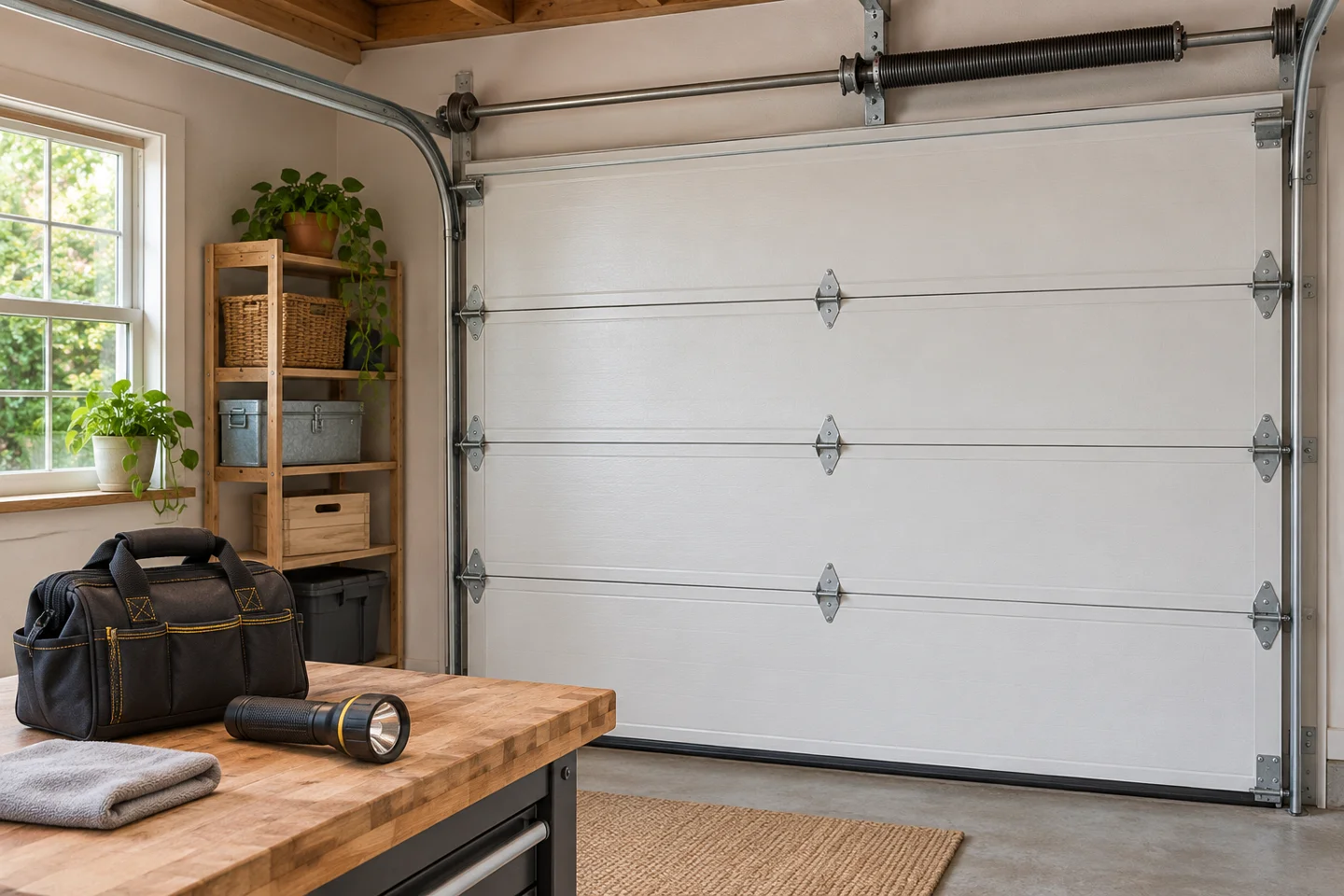
Have a service question? Explore the related service or call to discuss the door.
A local starting point
Replacing a garage door is a decision about the complete opening. The visible panels matter, but so do tracks, spring balance, headroom, seals and the operator. A comparison based only on door style can leave important parts of the installation undefined. Use this guide to prepare a clearer replacement conversation before choosing a finish. Wet leaves, slush near the threshold and changing temperatures can make a small door issue more noticeable. Look from a safe distance for debris or an obvious gap; do not force a door that appears frozen to the floor or use the opener to break a bond.
Begin with the reason for replacing the door
Explain whether the problem is impact damage, repeated breakdowns, an unsuitable door or a planned exterior update. A replacement driven by a crooked or unstable assembly needs a different first conversation from a door that still operates and is being changed for appearance. Stop using a visibly leaning door or one with loose lifting cables. Do not attempt to make the opening usable by removing brackets or forcing the sections back into line.
Separate the door package from the installation scope
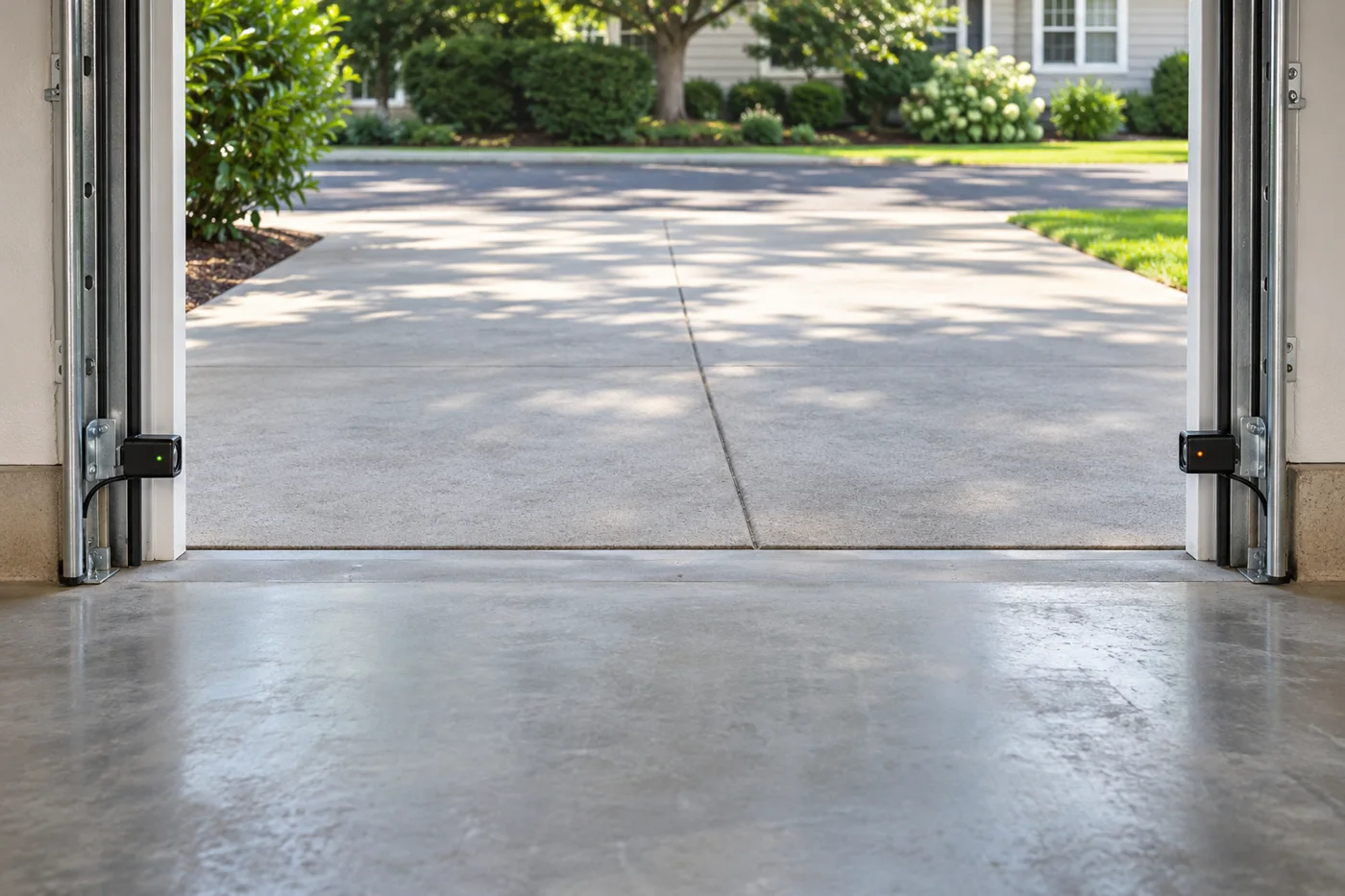
Ask which sections, tracks, rollers, hinges, springs, seals and hardware are included. A new door may not be compatible with the existing tracks, even when the width looks similar. The opening and available side room, headroom and backroom influence the assembly. Removal of the old door, access restrictions and unusual framing should be discussed rather than assumed. A complete scope makes it easier to compare proposals describing the same work.
Choose materials around use as well as appearance
Steel, wood-look finishes and glass have different upkeep, privacy and light considerations. An insulated assembly adds another specification to understand, but the panel insulation is only one part of thermal performance. Consider how the garage is used and whether rooms adjoin or sit above it. Bring a photograph of the exterior for a style discussion if it can be taken safely, then confirm the actual product specifications before approving an installation.
Plan around your property
Mention whether the garage is detached, opens to an alley or is reached by a short driveway. Shared access, overhead storage and a low roof line can affect how an inspection or new-door plan is approached. An attached garage and a separate outbuilding have different priorities. Clearances, moisture at the sill and the way the space is used belong in the same conversation as panels and controls. Think about the entrance as part of your routine: when it is used, who needs access and what needs to remain clear. These details help make the service conversation specific without assuming that every property needs the same equipment or work.
Confirm the operator relationship
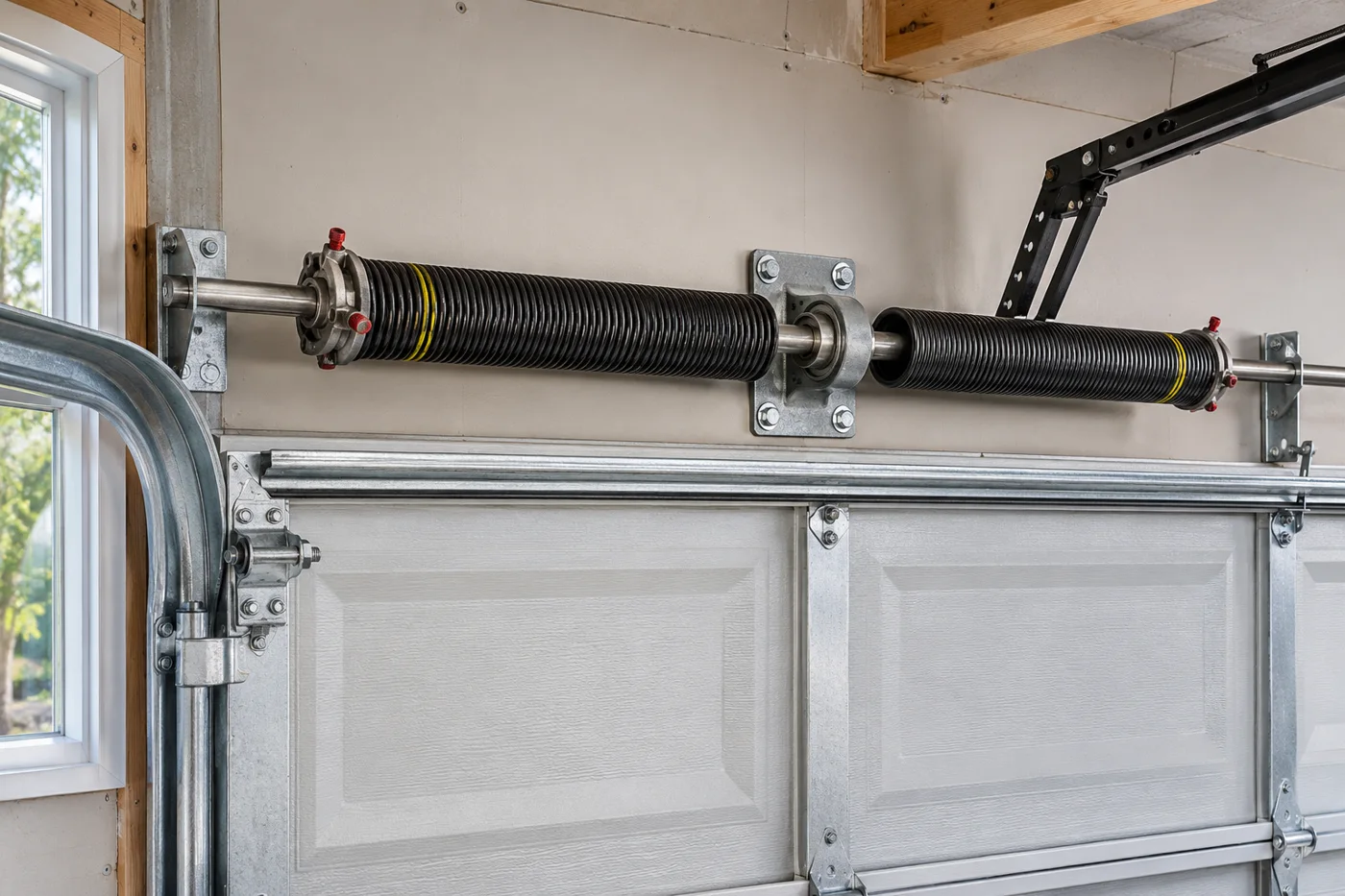
An existing opener is not automatically a match for a replacement door. Door weight, balance, travel, clearance and the operator manufacturer’s compatibility requirements all matter. Ask whether the operator is being retained, adjusted within its proper specifications or replaced as a separate part of the project. If smart controls are important, discuss connectivity and household access without treating an app as a substitute for the door’s mechanical and safety requirements.
Know what happens before and after installation
Clarify who confirms measurements, how the old assembly will be removed and what space must be cleared. Discuss the final operating checks and a walkthrough of normal use and the exact manufacturer instructions. Keep the work area accessible without moving a damaged door yourself. Call with the property location and your reason for replacing the door; the next step is a conversation about fit and scope, followed by confirmed appointment timing.
Further reading
DASMA garage door systems safety guidance ↗
Follow the instructions for your exact door and operator. This guide helps with recognition and planning; work on loaded lifting hardware belongs with trained technicians.