Start with what changed
When the remote, wall control or opener stops behaving normally, describe exactly which control works and which does not. A control problem and a heavy or crooked door are different starting points. Call about the symptoms before ordering an operator; a new motor cannot correct a damaged lifting system.
Look at the complete system
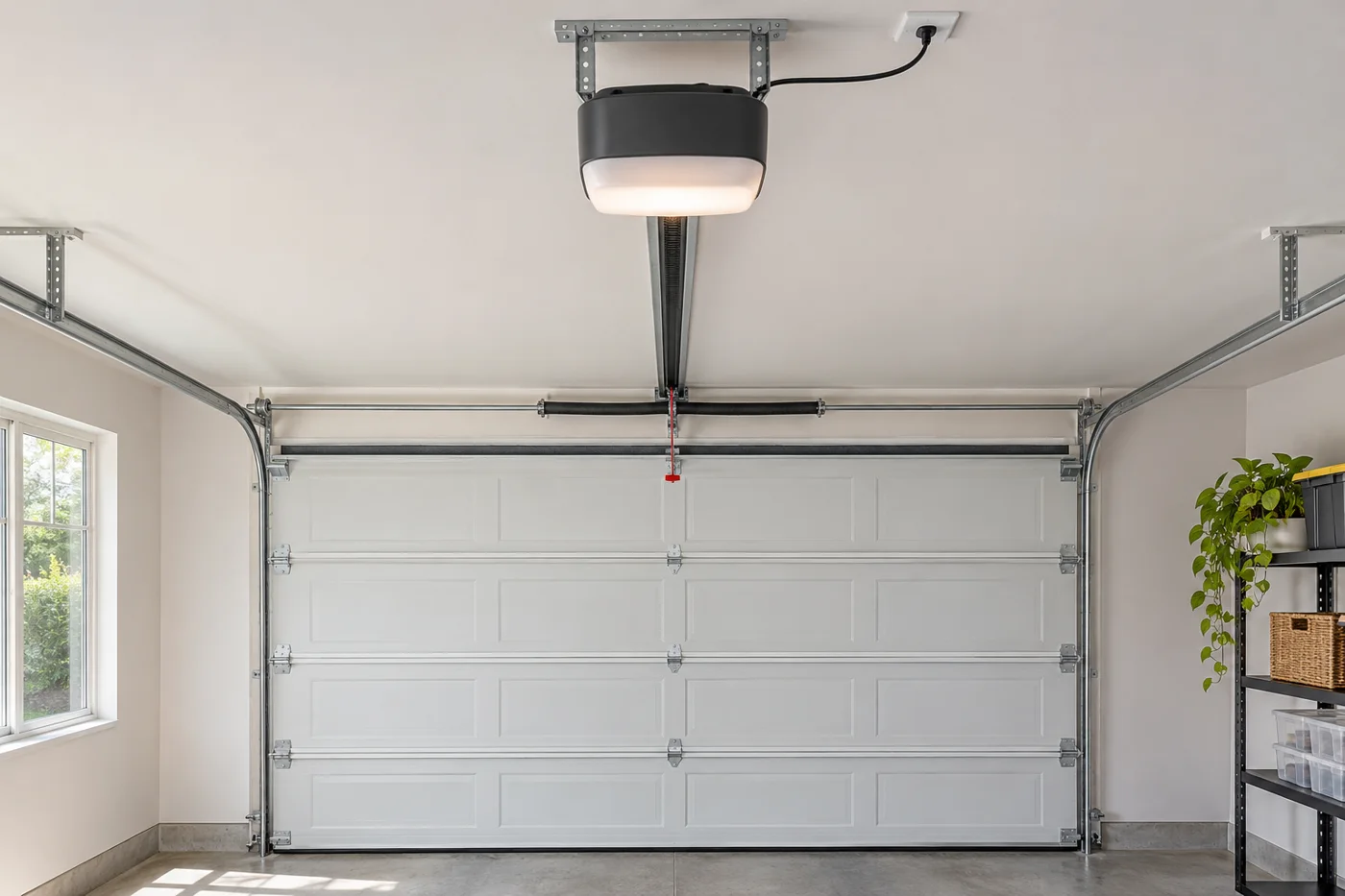
The operator, controls, travel system and safety devices need to be considered alongside the door itself. A running motor, blinking light or intermittent remote is a clue rather than a diagnosis. Note what you can observe safely from the floor, including whether the door starts, stops, reverses or does not respond at all.
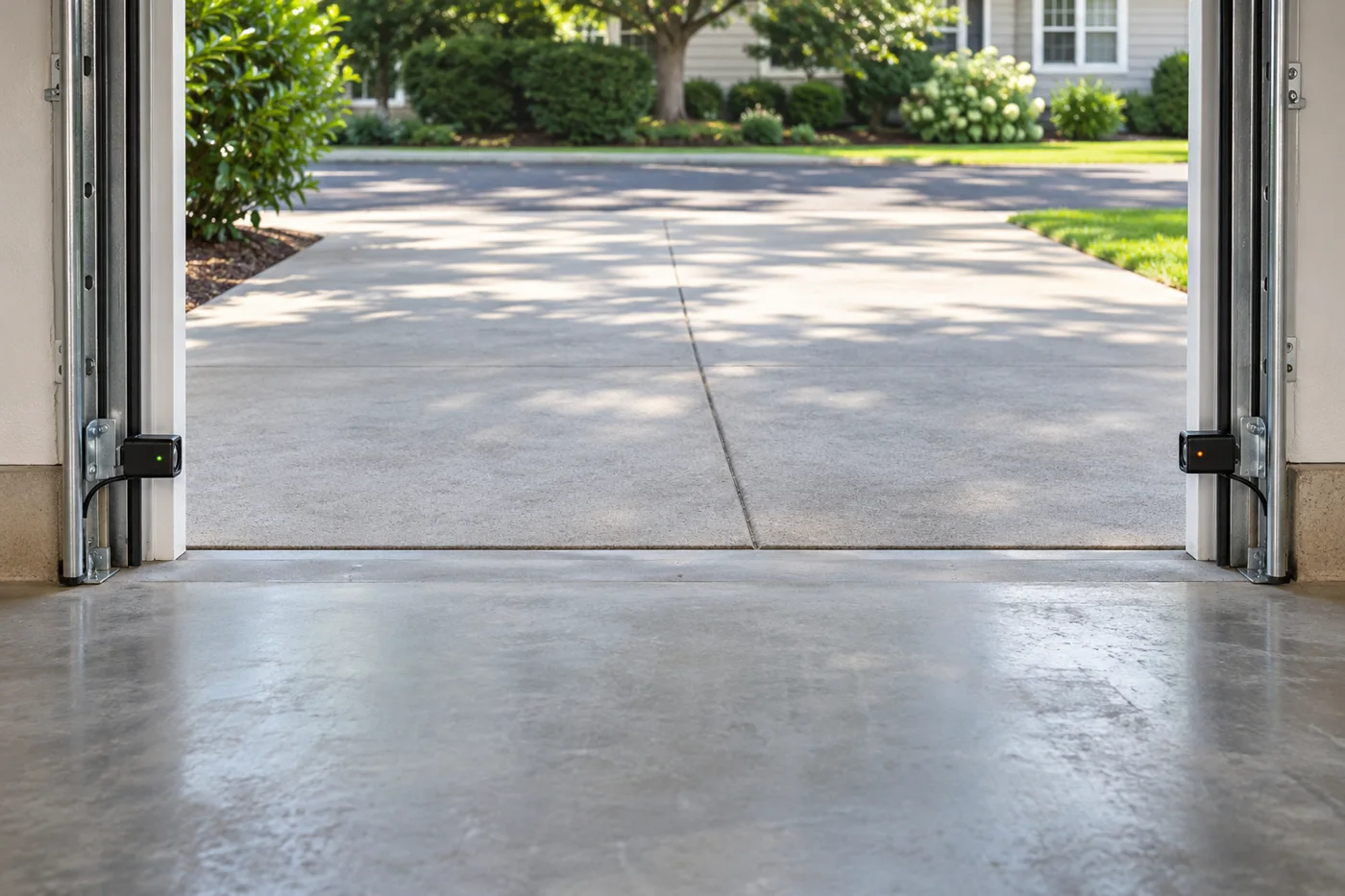
Useful observations before calling
If a model label is readable safely, keep it handy. Say whether the wall control and remote behave differently and whether the issue occurs throughout the day or only under a particular condition. Do not bypass sensors or repeatedly force a door to close. If there is a loose cable, a leaning section or impact damage, explain that mechanical concern first.
What to discuss in the service scope
A service conversation can distinguish diagnosis from repair or replacement. Ask which equipment and controls are compatible, whether a repair addresses the identified cause and what operating checks are included. If a replacement is discussed, clearance, door compatibility, electrical supply and the requested access features should be part of the scope.
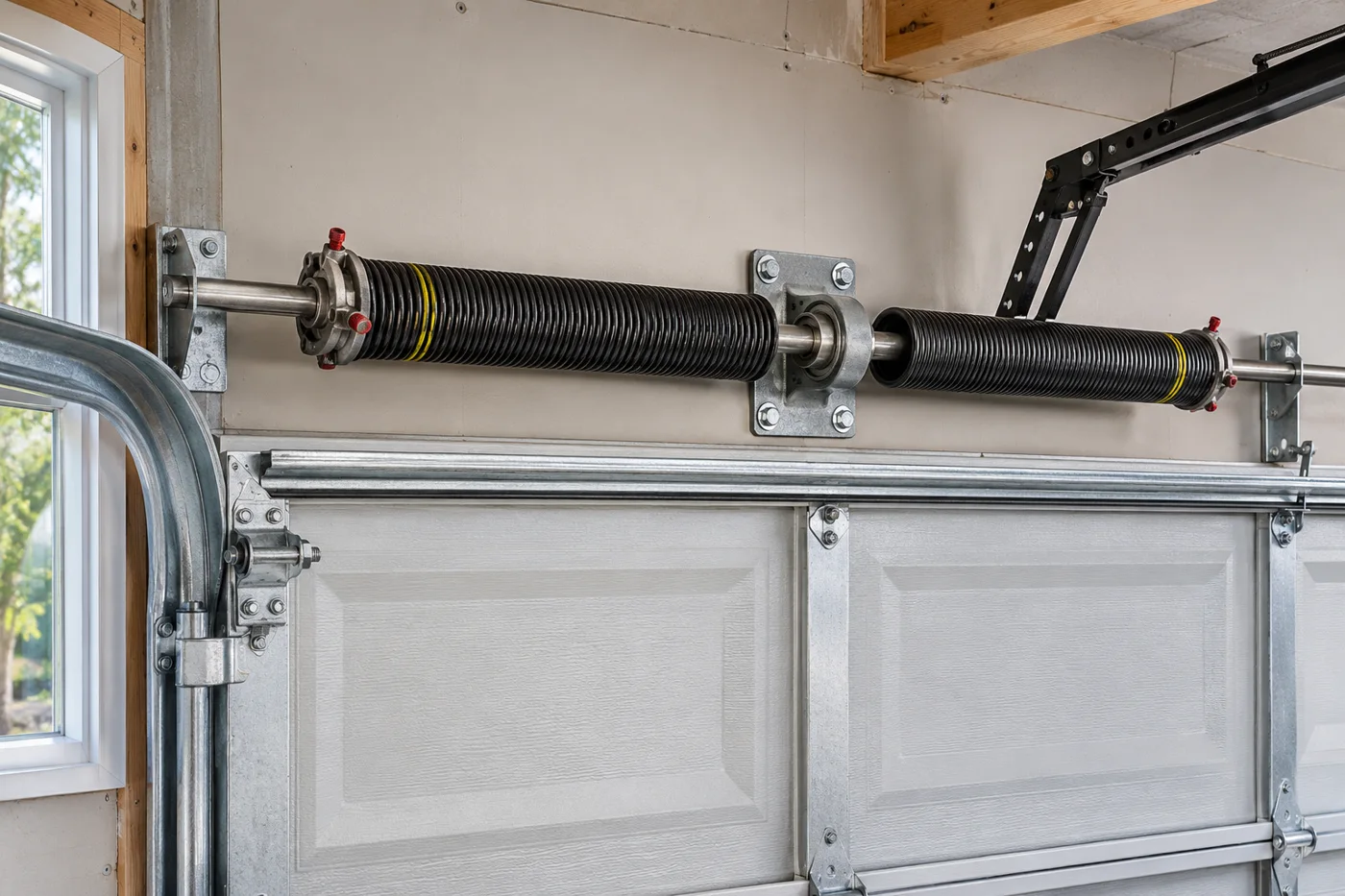
The property matters too
Mention whether the garage is detached, opens to an alley or is reached by a short driveway. Shared access, overhead storage and a low roof line can affect how an inspection or new-door plan is approached. Wet leaves, slush near the threshold and changing temperatures can make a small door issue more noticeable. Look from a safe distance for debris or an obvious gap; do not force a door that appears frozen to the floor or use the opener to break a bond.
A clear next step
Does the wall control behave differently from the remote? That is a useful starting point for your call. Explain the location and access, describe the issue in plain language and ask about the appropriate service. Keep any model information that is safely readable to hand. Call 24/7 to discuss the request; service suitability, work scope and appointment timing are confirmed by phone for your property in Milwaukee or the listed service areas.