
Have a service question? Explore the related service or call to discuss the door.
A local starting point
An insulated garage door can be worth discussing when the garage connects closely to everyday living space, but insulation is not the same as conditioning the room. Panel construction, air leakage, the perimeter and the rest of the enclosure all influence how the space behaves. Start with the problem you want to address. Wet leaves, slush near the threshold and changing temperatures can make a small door issue more noticeable. Look from a safe distance for debris or an obvious gap; do not force a door that appears frozen to the floor or use the opener to break a bond.
Identify what you want to change
A hot afternoon garage, a cold room above it and a draft at the bottom of the door are different concerns. Describe when you notice the issue and how the space is used. Insulation through the door sections addresses a different heat path from a gap at the threshold. A new door cannot establish the condition of wall insulation, ventilation or the connection to occupied rooms. That broader context helps avoid choosing a feature for the wrong reason.
Compare product specifications carefully
Ask whether a quoted thermal value refers to a section, an insulation material or the complete door assembly. Those are not interchangeable descriptions. Construction, joints, glazing and perimeter conditions can affect the whole system. Request the actual product documentation rather than relying on a single headline number. If windows are included, discuss light, privacy and the specification of the complete chosen assembly.
Consider weight and hardware compatibility
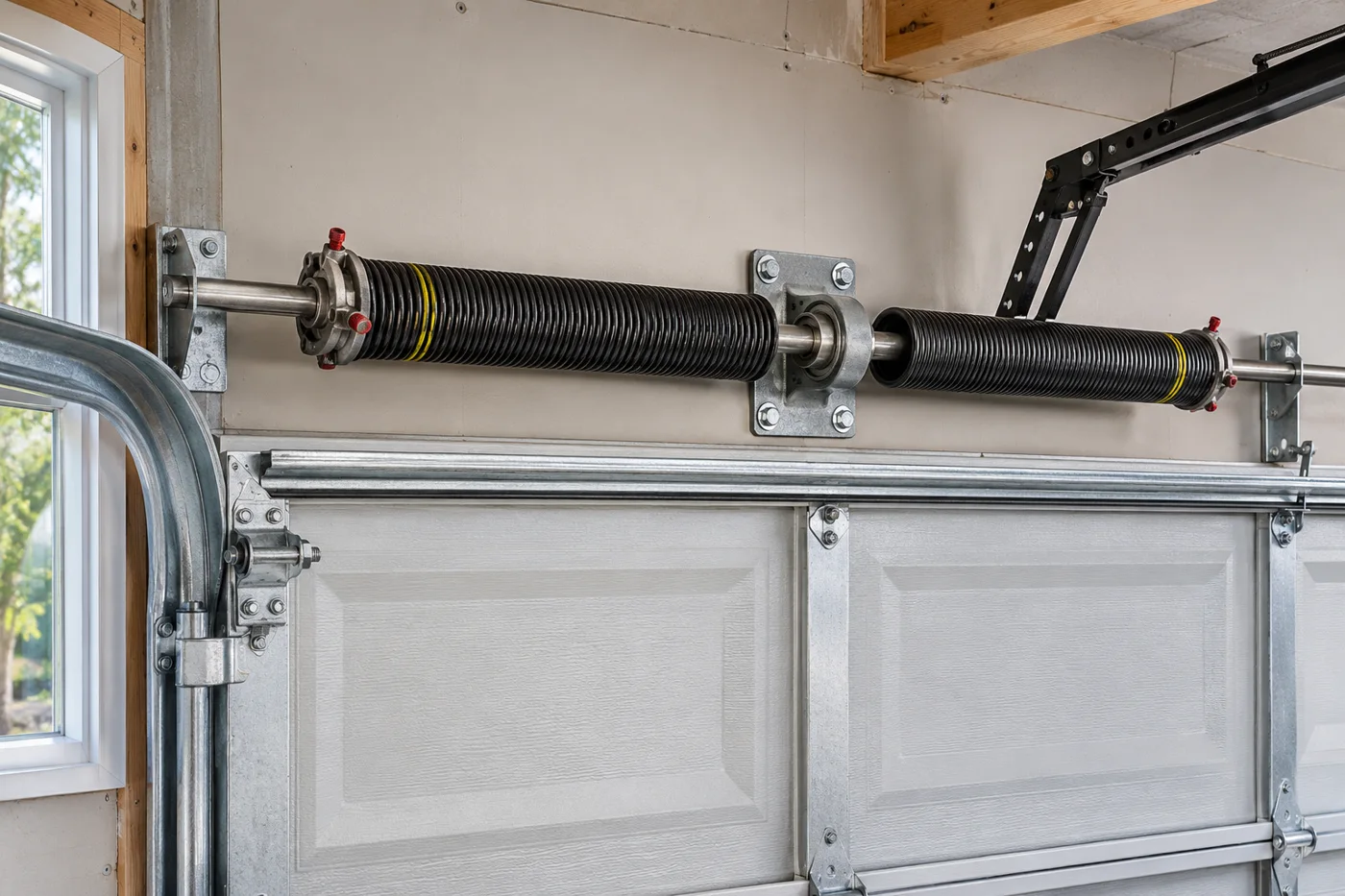
Changing sections or adding material can change the load. Springs and operating hardware need to suit the actual door, so a retrofit should not be treated as a purely decorative job. Do not attach improvised heavy panels to a door or adjust the spring system yourself. Ask whether the proposal is for a compatible new assembly or an approved modification, and what condition checks are needed beforehand.
Plan around your property
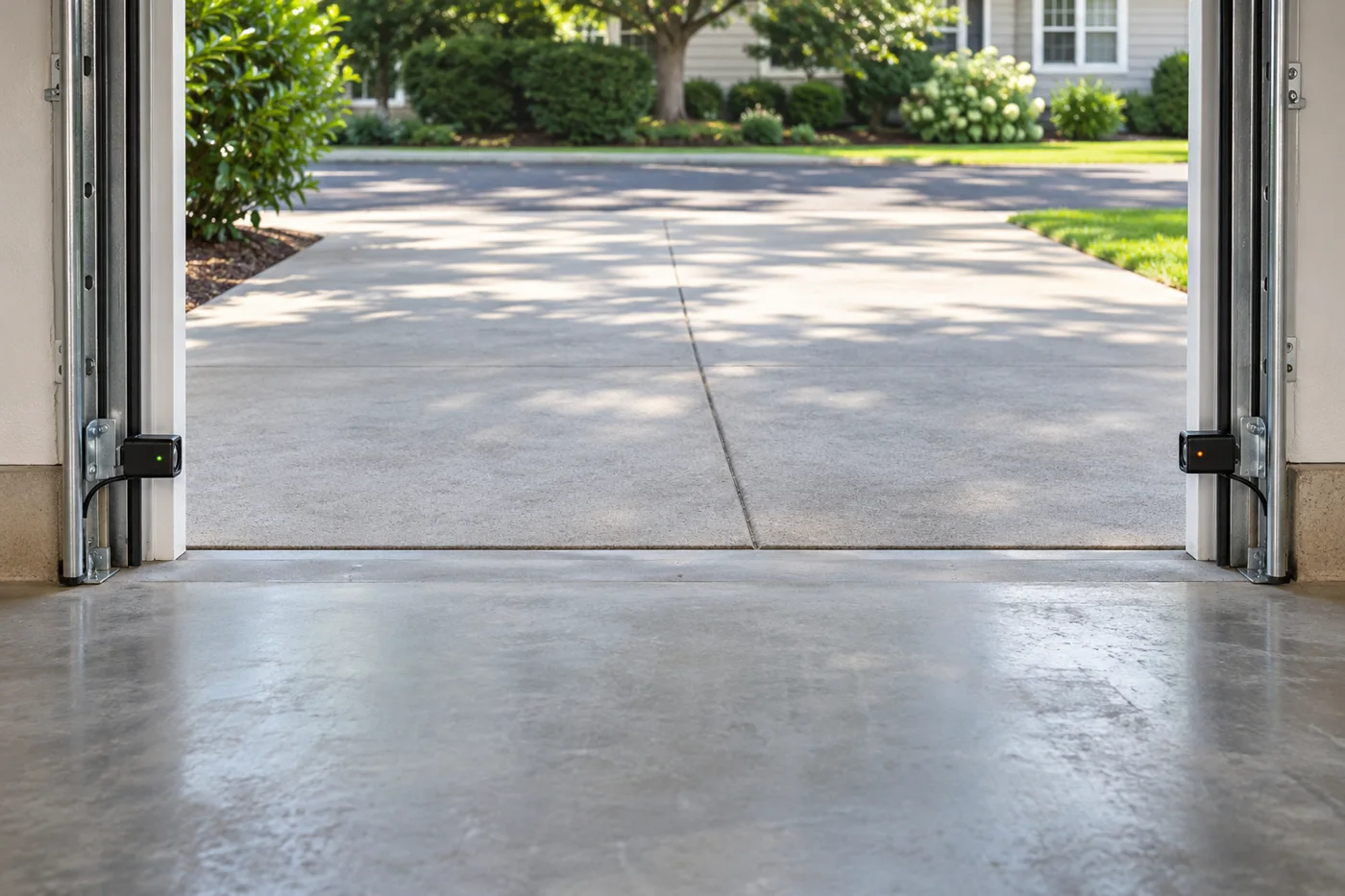
Mention whether the garage is detached, opens to an alley or is reached by a short driveway. Shared access, overhead storage and a low roof line can affect how an inspection or new-door plan is approached. An attached garage and a separate outbuilding have different priorities. Clearances, moisture at the sill and the way the space is used belong in the same conversation as panels and controls. Think about the entrance as part of your routine: when it is used, who needs access and what needs to remain clear. These details help make the service conversation specific without assuming that every property needs the same equipment or work.
Include the threshold and seals
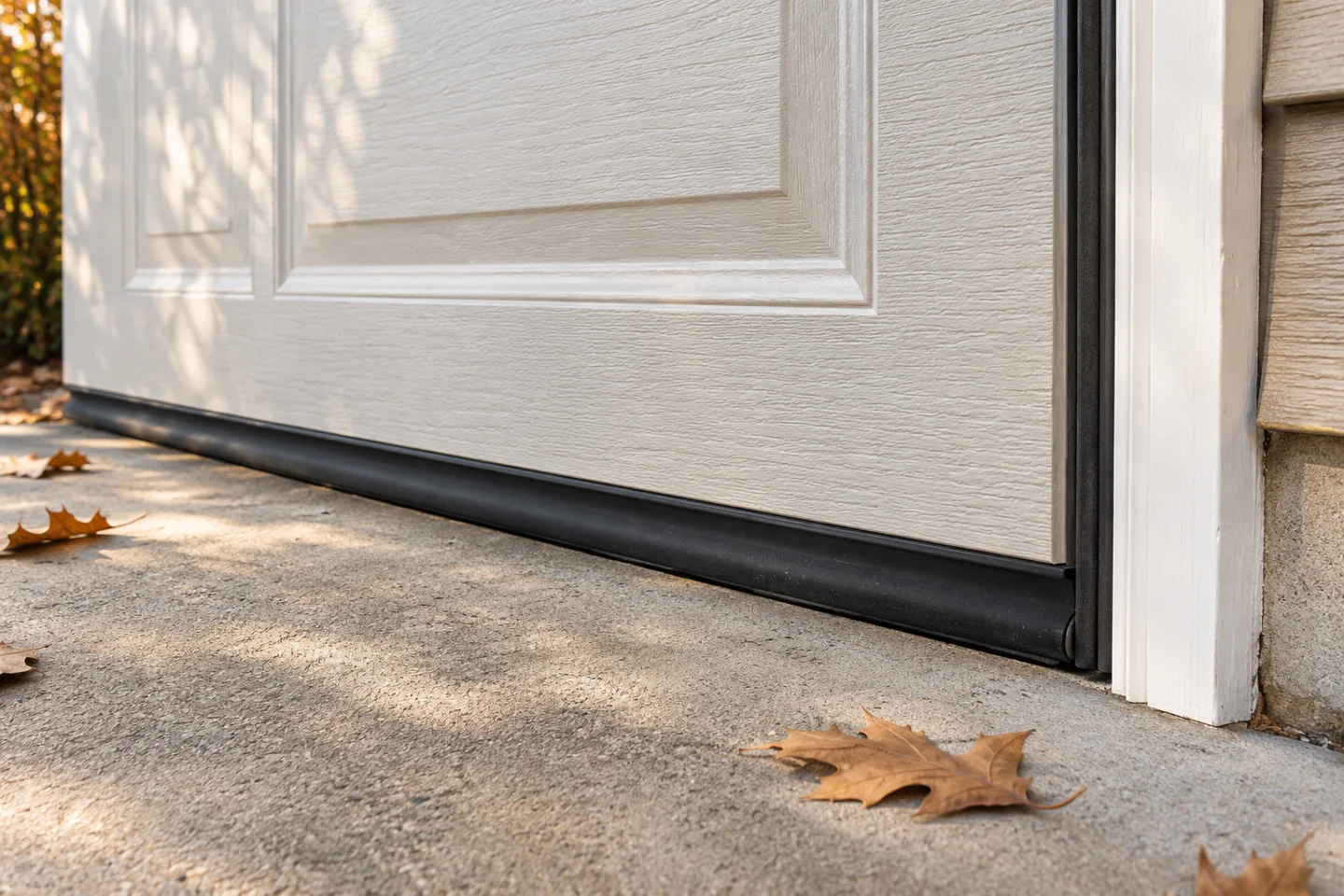
A bottom seal and side or top seals address openings around the door. They cannot correct every drainage, framing or enclosure issue. Point out where water, dust or air seems to enter and whether the door sits evenly. If the door looks crooked or unstable, stop use and explain that first. A useful inspection distinguishes the door surface from the perimeter and from conditions elsewhere in the garage.
Call with the goal, not just the product name
Tell us how the garage is used, whether it is attached and what you want to improve. Mention the existing door, windows, operating issues and any property restrictions. Discuss insulated door choices alongside installation and replacement scope. Call 24/7 to start that conversation; product suitability, service scope and appointment timing are confirmed by phone for the actual opening.
Further reading
DASMA garage door systems safety guidance ↗
Follow the instructions for your exact door and operator. This guide helps with recognition and planning; work on loaded lifting hardware belongs with trained technicians.